
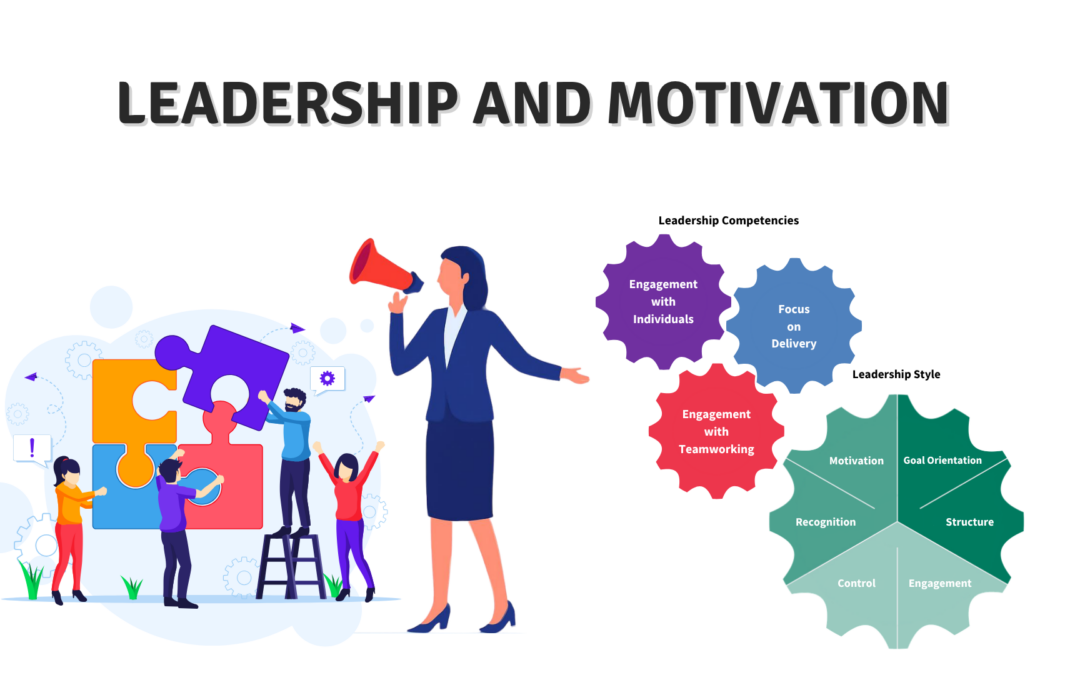
Leadership is essentially about motiving others to give their discretionary effort, that is the extra effort they can bring to a task, and to give it willingly in such a way that they get satisfaction from doing it and it doesn’t diminish their wellbeing.
In the first article in this series, What is Leadership, we saw that there are three core competencies that combine to contribute to highly effective leadership.; Purpose: Determination to Deliver, Engaging with the Individual and Engaging with Teamworking.
Just as leadership can be complex so can motivation. For well over 100 years the dominant approach by most employers has been to adopt an approach based on extrinsic motivation.
Extrinsic motivation describes doing something for a reward normally for a completed task or to avoid a penalty or punishment for an underperformance. The reward or punishment is external to the team or team members.
Some people are motivated by money, and it is also true that many are not. Money, as a motivator, has a short-lived impact and it can add a source of pressure which undermines wellbeing. Once basic needs are met, food, housing, etc, the impact of more money can diminish.
The 21st Century is seeing a weather change in understanding what motivates people. People are better qualified, they think more about work life balance, their goals are different and many look for the inherent satisfaction from doing what they do and seek autonomy and a greater degree of freedom. For many, working from home has changed the work dynamic.
Organisations are increasingly exploring another option, intrinsic motivation which, though harder to engender can produce a much better response. It challenges traditional leadership practices. Being intrinsically motivated means, you do what you do because you enjoy doing it and get personal satisfaction from doing it.
Motivation comes from within the team or person. Leadership is now not so much about what a leader can do to others to motivate them but much more about creating an environment with intrinsic motivation can flourish. Going from telling to enabling and empowering.
Researchers Deci and Ryan found that attending to three psychological needs – Autonomy, Competence and Relatedness – can create a sense of enjoyment and satisfaction in work – important for wellbeing too. Practitioners added a fourth need – Purpose.
When applied it has created better performance, better wellbeing and much better staff retention – people rarely leave a happy environment.
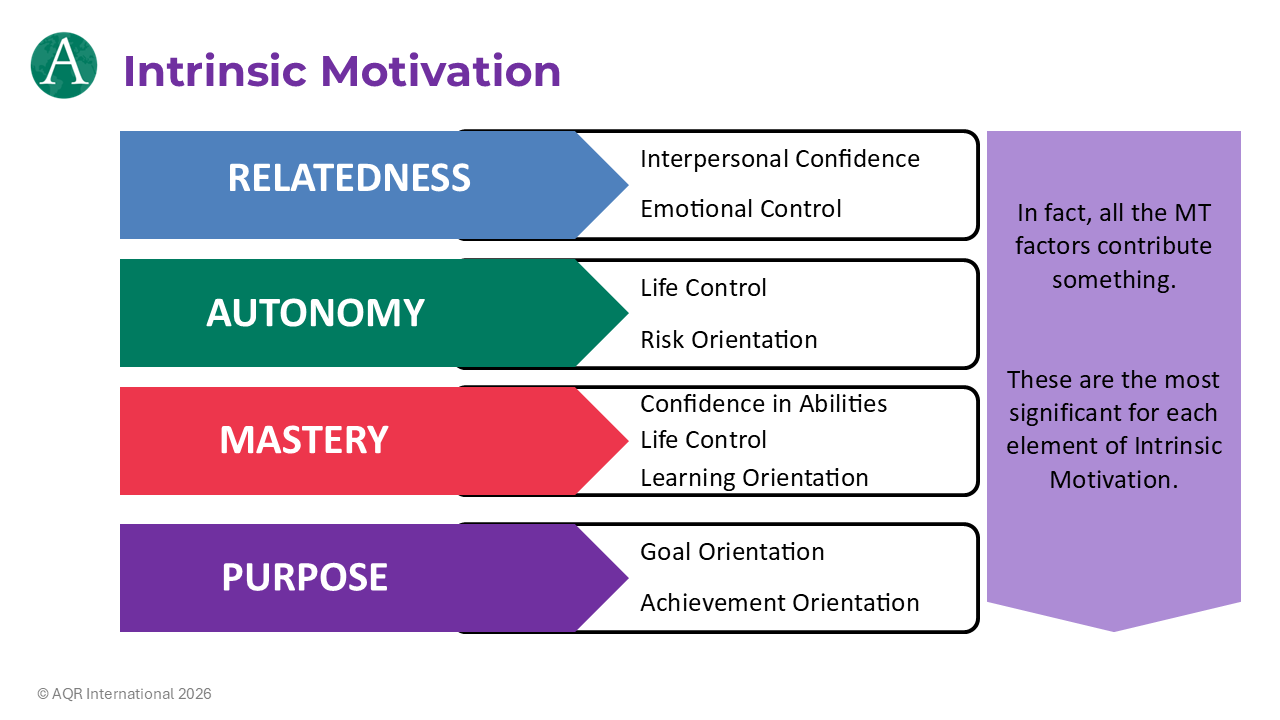
Intrinsic Motivations rests on 4 pillars:
- Relatedness – A feeling of belonging to my work group. I know they “have my back” and I have access to help and support. I support them when needed. This can be undermined by competition with others and criticism which extrinsic motivators like bonuses can create if some get them and others don’t. This is essentially about true team working.
- Autonomy – Freedom to do what I know I can do. To be trusted to make decisions for which we take responsibility. No one stands over us. We have a sense of purpose and accountability as well as a sense of self-worth that we can do it
- Mastery – Knowing that the team has, between team members, the knowledge, skills, expertise and experience and the confidence to apply these when needed.
- Purpose – Knowing that what we do has a worthwhile purpose, that knows how to contribute to that purpose and is prepared to work to the common goal.
The figure below illustrates how leadership can enable intrinsic motivation.

The link between them is close.
Mental Toughness – the glue that binds them.
The mental toughness concept describes the mental approach to enabling all of these to happen. Its relationship with leadership is explored in What is leadership. It matters here too.
Self-awareness about your mindset and understanding how to optimise your mental approach can be significant for your intrinsic motivation – especially in challenging circumstances.
The figure below shows how each factor can impact aspects of a person’s intrinsic motivation.
AQR International has created an Intrinsic Motivation questionnaire (RAMP) for use by organisations to assess, in some detail, the level of intrinsic motivation within their workforce. Providing an extremely valuable diagnostic tool with which to direct solutions for enhancing an important aspect of culture.

